


 Call +91 9833907060
 Send E-mail
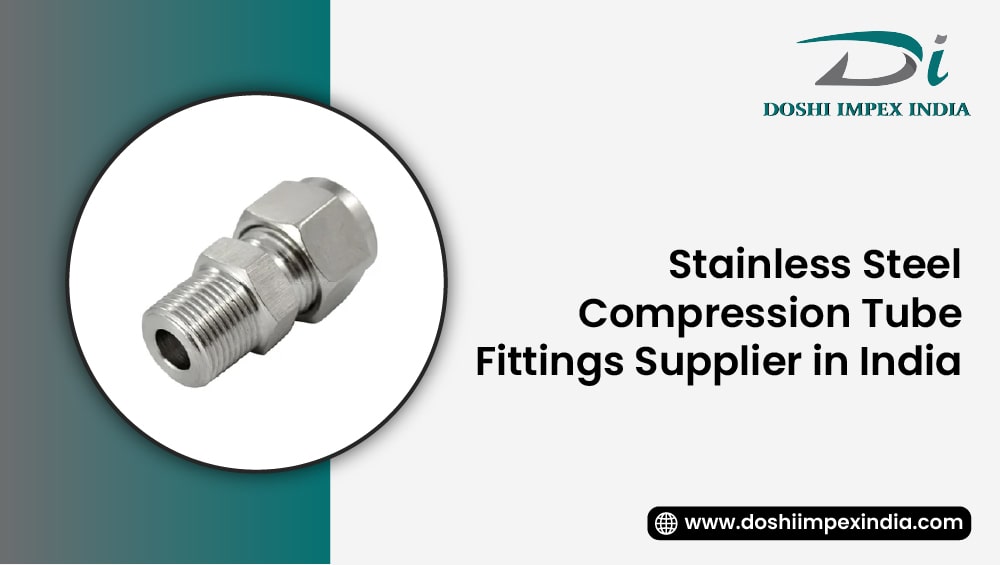
In industries where reliability, clarity, and safety are non-negotiable, instrumentation tube fittings play a critical role. These small, even so essential, components validate leak-proof connections in systems that handle gases and liquids under high pressure. From chemical processing to qualification generation and oil improvement, tube fittings are indispensable in ensuring that instrumentation systems work correctly. This article by Doshi Impex India is an advisor that explains all you need to know about instrumentation tube fittings—their types, ingredients, uses, and the role of the best instrumentation tube fittings suppliers in India.
What Are Instrumentation Tube Fittings?
Instrumentation Tube fittings are truly designed mechanical components intended to connect tubing sections in step control and instrumentation systems. They secure a tight, leak-free seal when comparing tubes and procedure components such as
- Valves
- Gauges
- Transmitters
Unlike welded or threaded bonds, tube fittings can be comfortably arranged or disassembled, making them ideal for systems that require regular maintenance or modification.
These fittings are immensely used in industries like:
- Oil and Gas
- Petrochemical
- Energy Generation
- Water Treatment
- Pharmaceutical
An Instrumentation Tube Fittings Manufacturer in India typically designs these fittings to meet international standards like
- ASTM
- ASME
- ISO
This ensures global compatibility and safety.
Key Elements of Instrumentation Tube Fittings
- Leak-Proof Performance: Created to disallow any leakage of gases or fluids steady under high pressure or vibration.
- Corrosion Resistance: Manufactured using premium assets like
- Stainless steel
- Alloy steel
They resist
- Corrosion
- Pressure and Temperature Tolerance: Ideal for use in intense operating environments.
Normal Types of Instrumentation Tube Fittings
The variety of instrumentation tube fittings usable today allows engineers to select the valid fitting for their precise operation rules. Below are the most commonly used types:
- Compression Tube Fittings
Compression fittings are the most common type used in instrumentation systems. They consist of three parts: the nut, ferrule(s), and the appropriate health. When the nut is tightened, the ferrule compresses the tubing to achieve a leak-tight connection.
Applications:
- Hydraulic systems
- Gas distribution lines
- Chemical processing plants
Advantages:
- Effortless to install and disassemble
- Terrific sealing aptitude without welding
- Ferrule Tube Fittings
Ferrule fittings use one or two ferrules to grip the tube surface tightly. The front ferrule provides sealing, while the back ferrule ensures mechanical hold.
Common Assets: Stainless steel, boldness, copper, and alloy steel
Applications:
Offshore platforms
Refineries
Pressure and temperature instrumentation
Superior Instrumentation Tube Fittings Manufacturers in India offer double ferrule fittings for higher safety in critical systems.
- Threaded Tube Fittings
Threaded fittings come with male or female threads that provide a mechanical seal between pipes or tubes. They are commonly used in low-pressure systems and temporary setups.
Samples:
NPT
BSP
Advantages:
Common design
Ideal for non-permanent ties
- Push-to-Connect Fittings
These are crafted for swift installation, allowing users to simply push the tubing into the becoming for a take connection.
Applications:
Pneumatic systems
Laboratory instruments
Auto-operation equipment
Advantages:
Fast and painless congregation
No need for tools
- Turn, Tee, and Cross Fittings
These fittings are used to change the direction of the tube steps or to branch it out:
Hinge Fittings: For 45° or 90° bends
Tee Fittings: To split the flow into two directions
- Union and Bulkhead Fittings
Union fittings connect two tubes of the same or different sizes, while bulkhead unions are used to pass a tube through a wall or panel.
Advantages:
Admit painless maintenance and approach proliferation
Offer take tube-to-tube connection
These are, without pause, supplied by trusted instrumentation tube fittings suppliers to industries needing flexible connection strategies.
Components Used in Instrumentation Tube Fittings
The material grouping depends on the type of fluid, operating temperature, and planetary requirements. Simple elements attach:
- Stainless Steel: Superb corrosion and pressure resistance.
- Decor: Ideal for low-pressure systems and non-corrosive gases.
- Carbon Steel: Suitable for high-pressure hydraulic applications.
- Alloy Steel and Monel: Used in really corrosive or high-temperature environments.
Reputed Instrumentation Tube Fittings Manufacturers in India follow strict metallurgical standards to assure that all fittings deliver
- Consistent performance
Applications of Instrumentation Tube Fittings
Oil & Gas Industry: For connecting
- Pressure transmitters
- Flow meters
Chemical Processing Plants: To deal with
- Hostile fluids
- Ensure leak-proof flow.
Expertise Generation Plants: For steam and hydraulic control systems.
Water Treatment Facilities: In pressure and monitoring instrumentation.
Pharmaceutical and Food Industry: For hygienic and contamination-free ties.
With the enhanced accent on workflow mechanisation and safety, instrumentation tube fittings in India have become indispensable components in industrial piping systems.
Advantages of Using High-Quality Instrumentation Tube Fittings
- Leak-Free Systems:
- Reduces downtime
- Ecological hazards.
- Superior Safety: Ensures you get links under
- Excessive pressure
- High temperature.
- Longer Equipment Life: Corrosion-resistant components make them durable.
- Vigorous Skill: Reliable relationships help maintain uniform method performance.
Why Pick an Indian Manufacturer like Doshi Impex India?
India is evolving as a global hub for high-quality Instrumentation Tube Fittings due to its
- Cutting-edge manufacturing facilities,
- Skilled workforce
- Support for international standards
Optimal Instrumentation Tube fittings manufacturers in India provide the following accurate for diverse industrial applications with the following benefits:
- Cost-effectiveness
- Durability
- Correctly built fittings
Key advantages include:
Wide product range
Compliance with ASTM, DIN, and ISO standards
Custom design and material options
Rivalrous pricing and timely delivery
Many Indian suppliers, on top of that, offer testing services such as hydrostatic, pneumatic, and vibration testing to affirm that the fittings meet global performance standards.
Maintenance Tips for Instrumentation Tube Fittings
To confirm long-term performance, pursue these vital maintenance principles:
- All the time, inspect fittings for signs of corrosion or wear.
- Elude over-tightening to forbid ferrule deformation.
- Assure faultless tube arrangement before installation.
- Replace harmed or worn components hurriedly.
- Use only worthy resources and fittings from trusted suppliers.
Following these procedures helps exclude workflow leaks and ensures reliable operation.
Main point
Instrumentation Tube Fittings may appear small, yet their role in ensuring industrial safety, optimization, and truthfulness is gigantic. From compression fittings to ferrule and threaded types, these components form the strength of fluid and gas handling systems worldwide. Choosing the true Instrumentation Tube Fittings Manufacturer in India or a reliable Instrumentation Tube Fittings Supplier ensures durability, leak-free performance, and adherence to international quality standards.